
If you run a website, especially one that depends on traffic from Google search, you’ve likely felt the tremors of a Google algorithm update. Some days your traffic soars, and other days it’s like someone turned off the lights. Google’s search algorithm updates shape which pages appear in search results, what content ranks higher, and how users find the information they need.
 |
| Google Search Algorithm Update Explained for Publishers? |
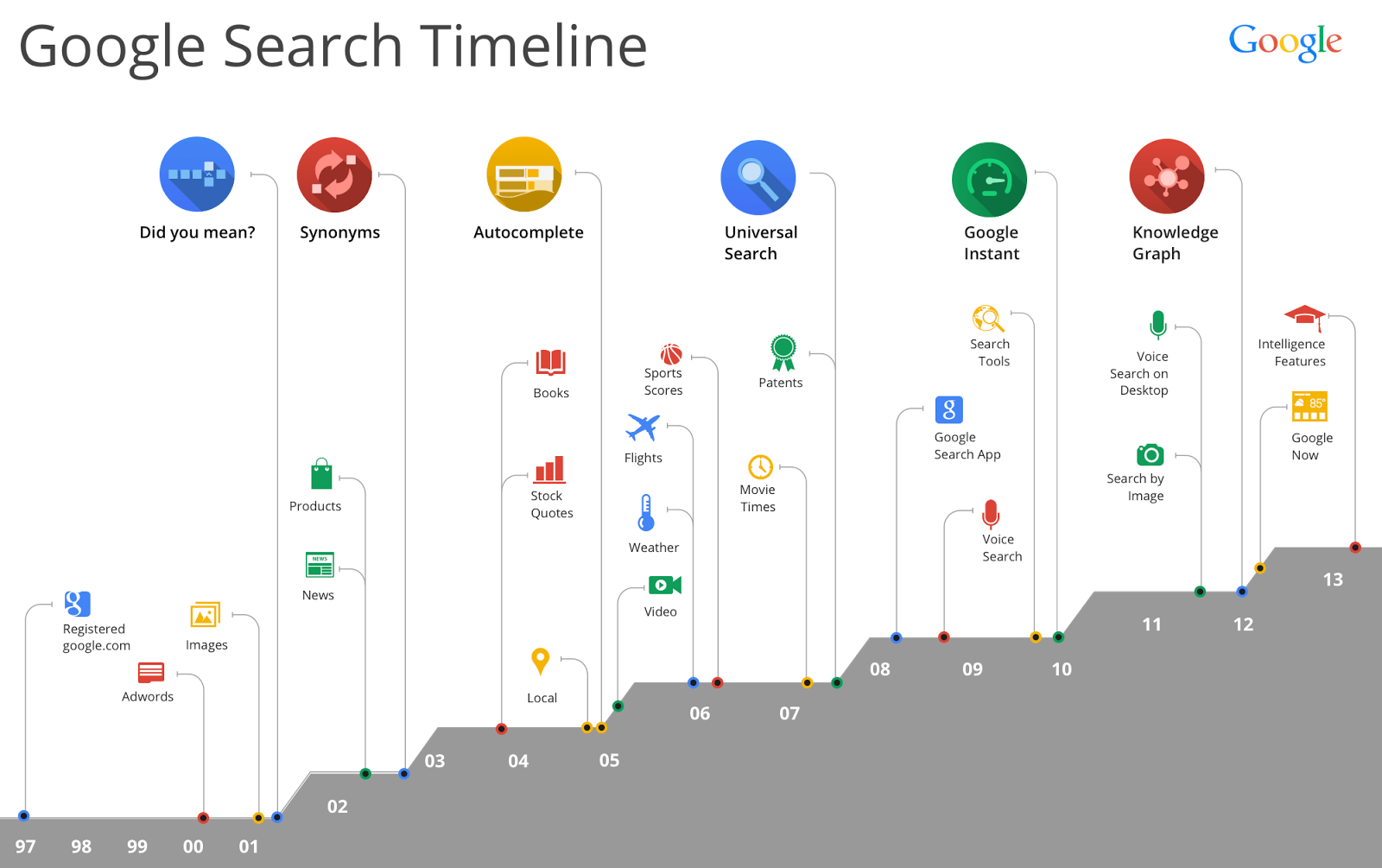
For publishers, understanding these changes isn’t just technical jargon. It can mean the difference between growing your audience and watching traffic fall off a cliff. In 2025, the search landscape continues to evolve rapidly, driven by new technologies like artificial intelligence (AI) and a relentless push from Google to improve search quality.
 |
| Google Search Algorithm Update Explained for Publishers? |
In this blog, we’ll walk through what these updates are, why they matter, how they affect publishers, and what you can do to adapt — explained in simple language.
What Is a Google Search Algorithm Update?
A search algorithm is a set of rules and calculations that Google uses to decide which web pages to show when someone types a query into Google Search. Google makes updates to this system regularly. Some are small tweaks that quietly adjust rankings. Others are big shifts, called core updates, that change how Google evaluates content across the entire web.
Sometimes Google announces these updates; other times they roll out quietly. Google has said it makes thousands of changes each year, but only a fraction are considered major updates that publishers should pay attention to.
Why These Updates Matter to Publishers
For publishers — websites that create articles, news stories, blogs, or other content — Google algorithm updates matter because they determine how often your pages show up on Google and how many users click through to your site.
When Google changes its algorithm, your visibility in search can rise or fall. Traffic fluctuations can deeply affect ad revenue, subscriptions, and overall business growth. Over the past few years, many publishers have seen dramatic swings in their search referrals — some positive, some devastating.
For example, in some cases, independent publishers lost most of their traffic after certain updates, while large brands remained stable or even gained rankings.
The Big Updates in 2025
1. Core Updates
Core updates are broad changes to Google’s main ranking system. In 2025, Google rolled out multiple core updates — including in March and June — and reportedly started another in December. These updates are designed to improve the overall relevance and satisfaction of search results for users.
Core updates aren’t targeted at specific types of websites. Instead, they adjust how Google evaluates content quality and relevance across the entire web.
2. Spam Updates
In addition to core updates, Google runs spam updates aimed at reducing manipulative or low-quality tactics. The August 2025 Spam Update focused on cracking down on misleading content, filler text, and manipulative links.
These updates don’t just affect obvious spam sites; they also impact publishers who use aggressive SEO shortcuts to try to boost rankings without offering real value to readers.
3. Helpful Content and AI Features
In recent years, Google introduced a system called Helpful Content to better reward content made primarily for humans, not search engines. This system is now part of core ranking decisions and emphasizes authentic, people-first content.
In 2025, AI-generated search features like AI Overviews and AI Mode have become more prominent. These are blocks that show summaries or AI-enhanced results at the top of search pages, often above traditional links. While they can help users find answers faster, they also mean fewer people click through to the actual websites — reducing traffic for many publishers.
How Google Evaluates Content Now
Google doesn’t share its exact ranking formula, but through testing, research, and official guidance, we know some of the major priorities that updates aim to reinforce:
1. User Satisfaction
Google measures whether a page satisfies a user’s intent — meaning the content truly answers what the searcher was looking for. Pages that fail to deliver clear, accurate information are less likely to rank well.
2. Quality Over Tricks
Google hates manipulation. Sites that use keyword stuffing, hidden text, or link schemes to boost rankings without offering value risk being demoted. Updates continue to put more weight on honest content and readability.
3. Expertise and Trustworthiness
Google increasingly rewards content that shows experience, expertise, authoritativeness, and trustworthiness (often abbreviated as EEAT). This matters especially for topics where accuracy is critical, like health, finance, or legal content.
4. Semantic Understanding
Newer parts of Google’s system, like MUVERA (Multi-Vector Retrieval), help the search engine understand the meaning behind queries rather than just matching keywords. This rewards pages that truly explain topics in depth.
What the Changes Mean in Real Life
Traffic Volatility
Many publishers have reported unpredictable changes in their search traffic after recent updates. Some saw sudden drops, others saw recovery after earlier declines. The effects can last weeks or months as Google settles into new ranking balances.
Zero-Click Searches Going Up
With AI Overviews, featured snippets, and direct answers, more users get what they need without clicking through to any website. This trend, sometimes called zero-click search, can shrink referral traffic and make it harder for publishers to monetize content.
Publishers Feeling Squeezed
Many smaller publishers feel the updates favor big brands with established authority and resources. When Google places AI summaries or prioritized brand content at the top, it’s harder for niche or independent sites to compete for visibility.
What Publishers Can Do
Even though algorithm updates are outside any publisher’s control, there are strategies that help sites remain strong and adaptable.
Focus on Genuine Quality
Write for humans, not search engines. Deep, accurate, original content is less likely to be negatively affected by updates. Google’s systems are designed to reward pages that genuinely help users.
Improve User Experience
Fast-loading pages, readable formats, clear navigation, and mobile-friendly design all help visitors stay engaged. Engagement metrics — like time on page — can influence rankings.
Demonstrate Trustworthiness
Use author names, credentials, citations from credible sources, and transparent editorial practices to signal authority. For news sites, fact-checking and correction policies are important.
Track Metrics Carefully
Use tools like Google Search Console to watch for changes in impressions, clicks, and rankings after an update. Sometimes drops aren’t immediate but evolve over weeks.
Diversify Traffic Sources
Relying only on search traffic is risky. Social media, newsletters, direct engagement, and other channels can buffer the impact when search rankings shake up.
Final Thoughts
Google Search algorithm updates are both an art and a science. They aim to make search results more useful to users, but the ripple effects on publishers can be significant. With increasing use of AI summaries and changes in ranking signals, publishers need to be flexible, quality-focused, and user-centric to thrive.
Staying informed about updates, understanding why they happen, and adjusting strategy accordingly gives publishers the best chance to succeed — even when the search ground beneath them shifts. Keep learning, keep improving your craft, and never lose sight of the people you’re writing for.
Related Questions & Answers
What is a Google Search algorithm update?
A Google Search algorithm update is a change to how Google ranks and evaluates web pages. These updates aim to improve search quality by rewarding helpful, relevant, and trustworthy content while reducing visibility for low-quality, manipulative, or unhelpful pages.
Why does Google release algorithm updates so frequently?
Google releases frequent updates to keep search results accurate, safe, and useful as the web evolves. New content formats, spam tactics, AI-generated content, and user behavior changes require constant refinement to ensure users find reliable and satisfying answers quickly.
How do algorithm updates impact publishers?
Algorithm updates can increase or decrease a publisher’s search traffic depending on content quality and relevance. Sites aligned with Google’s guidelines may benefit, while those relying on outdated SEO tactics, thin content, or poor user experience may see ranking drops.
What are core updates and how are they different?
Core updates are broad changes affecting many industries and content types at once. Unlike small updates targeting spam or links, core updates reassess overall content quality, expertise, and usefulness, meaning there’s no single fix—publishers must improve content holistically.
What is “helpful content” according to Google?
Helpful content is created primarily for users, not search engines. It answers real questions, demonstrates expertise, offers original insights, and satisfies search intent. Google’s updates increasingly prioritize content that genuinely helps readers over keyword-stuffed or AI-spun pages.
How does E-E-A-T affect rankings after updates?
E-E-A-T stands for Experience, Expertise, Authoritativeness, and Trustworthiness. Algorithm updates use these signals to assess credibility. Publishers showing real-world experience, clear authorship, accurate information, and trustworthy sources are more likely to perform well after updates.
Can AI-generated content be affected by updates?
Yes, AI-generated content can be impacted if it lacks originality, accuracy, or user value. Google does not ban AI content, but updates favor human-reviewed, fact-checked, and experience-driven material rather than mass-produced content created solely to rank.
What should publishers do after a ranking drop?
Publishers should audit content quality, user intent alignment, and site experience. Improving clarity, depth, originality, and credibility is more effective than quick SEO fixes. Google advises focusing on long-term content improvements rather than chasing algorithm loopholes.
How long does it take to recover from an update?
Recovery often takes weeks or months and may require waiting for the next core update. Google’s systems need time to reassess improved content. Consistent quality enhancements, rather than rapid changes, usually lead to gradual recovery in rankings and traffic.
How can publishers prepare for future updates?
Publishers should focus on creating user-first content, maintaining technical SEO health, and building trust. Regular updates, expert input, transparent authorship, and strong user experience help sites stay resilient, regardless of how Google’s algorithm evolves.
