
When people are facing serious financial stress, one of the first things they do is turn to Google. They type urgent phrases like “bankruptcy attorney near me” or “how to file chapter 13 bankruptcy” into the search bar. For bankruptcy attorneys, being visible at this critical moment can mean the difference between gaining a new client and missing out to a competitor. Google Search ads (also known as PPC or pay-per-click ads) help law firms show up at the very top of search results precisely when people are looking for help.
This blog explains how Google Search ads work for bankruptcy attorneys, why they are valuable, common challenges, and how to manage campaigns for strong results. The language is simple and practical because the goal is to empower you to take confident action in managing your marketing online.
 |
| Google Search Ads Management for Bankruptcy Attorneys? |
What Are Google Search Ads and Why Do They Matter?
At its core, Google Search ads are paid advertisements that appear above organic search results when someone enters relevant phrases into Google. Unlike traditional SEO (search engine optimization), which takes time to build visibility, Search ads can put your firm at the top of search results within hours.
Imagine a potential client who wakes up at 2 AM worried about creditors or foreclosure. They type “bankruptcy attorney near me” into Google. With a well-managed Search ad campaign, your firm can appear prominently with a message like “Free Consultation for Chapter 7 Bankruptcy” right where that person sees it first. That visibility is incredibly valuable because it captures intent when the searcher is ready to take action.
Search ads work on an auction system. You bid on keywords and Google decides which ads to display based on bid amount and Quality Score (a measure of relevance). Many law firm searches are expensive, but the ones you buy strategically can connect you with high-quality leads.
How People Search for Bankruptcy Help
People looking for bankruptcy attorneys are usually in urgent need. They aren’t casually browsing; they want help now. They use phrases like:
- “file for bankruptcy lawyer near me”
- “chapter 7 bankruptcy attorney”
- “stop wage garnishment help”
- “affordable bankruptcy attorney consultation”
These are examples of high-intent keywords because they show the searcher is ready to engage with a legal provider. Targeting such keywords in Google Search ads helps you reach users at the exact moment they’re looking for your services.
Google Ads vs. Other Platforms
When you compare Google Search ads to other advertising methods like Facebook or display ads, Google stands out for intent-based targeting. On social platforms, people scroll for entertainment and may not be actively seeking legal help. In contrast, someone typing a bankruptcy keyword on Google is actively searching for solutions. This makes Search ads more effective in driving qualified leads for attorneys.
Setting Up Your Google Search Ads Campaign
1. Choose the Right Keywords
Keyword selection is the foundation of effective ad campaigns. For bankruptcy attorneys, you want to focus on terms that indicate someone is ready to find legal help. Start with phrases specific to your services and location, such as:
- “bankruptcy attorney in [city/state]”
- “chapter 13 lawyer [city]”
- “stop foreclosure bankruptcy lawyer near me”
These are not random search terms. They are selected to match search intent, which leads to better engagement and more conversions.
Keyword match types allow you to control how broadly your ads show up. “Exact match” means your ad shows only when someone uses exactly that phrase, while “phrase match” captures close variations. Use negative keywords like “free form”, “DIY”, or “lawyer job” to prevent ads from showing to irrelevant audiences.
2. Write Compelling Ad Copy
Your ad text should resonate with someone under stress. Let potential clients know you understand their situation and offer real help. Instead of generic language like “Legal services available,” use empathetic, clear calls to action like “Compassionate Bankruptcy Help” or “Free Case Review Today.” Test multiple versions of ad copy to see which gets the most clicks.
3. Build Relevant Landing Pages
Your ads should send searchers to landing pages that answer the exact need they expressed in their search. If someone clicks an ad for “Chapter 7 bankruptcy help,” send them to a landing page that explains Chapter 7 services, outlines your experience, and offers an easy way to contact your firm. Businesses that send users to a general homepage often see low conversions because the experience isn’t targeted.
A landing page that loads fast, works well on mobile devices, and has clear contact forms or phone buttons dramatically improves engagement and conversions. Many conversions happen on mobile, so mobile optimization is crucial.
Ongoing Management: Monitoring and Optimization
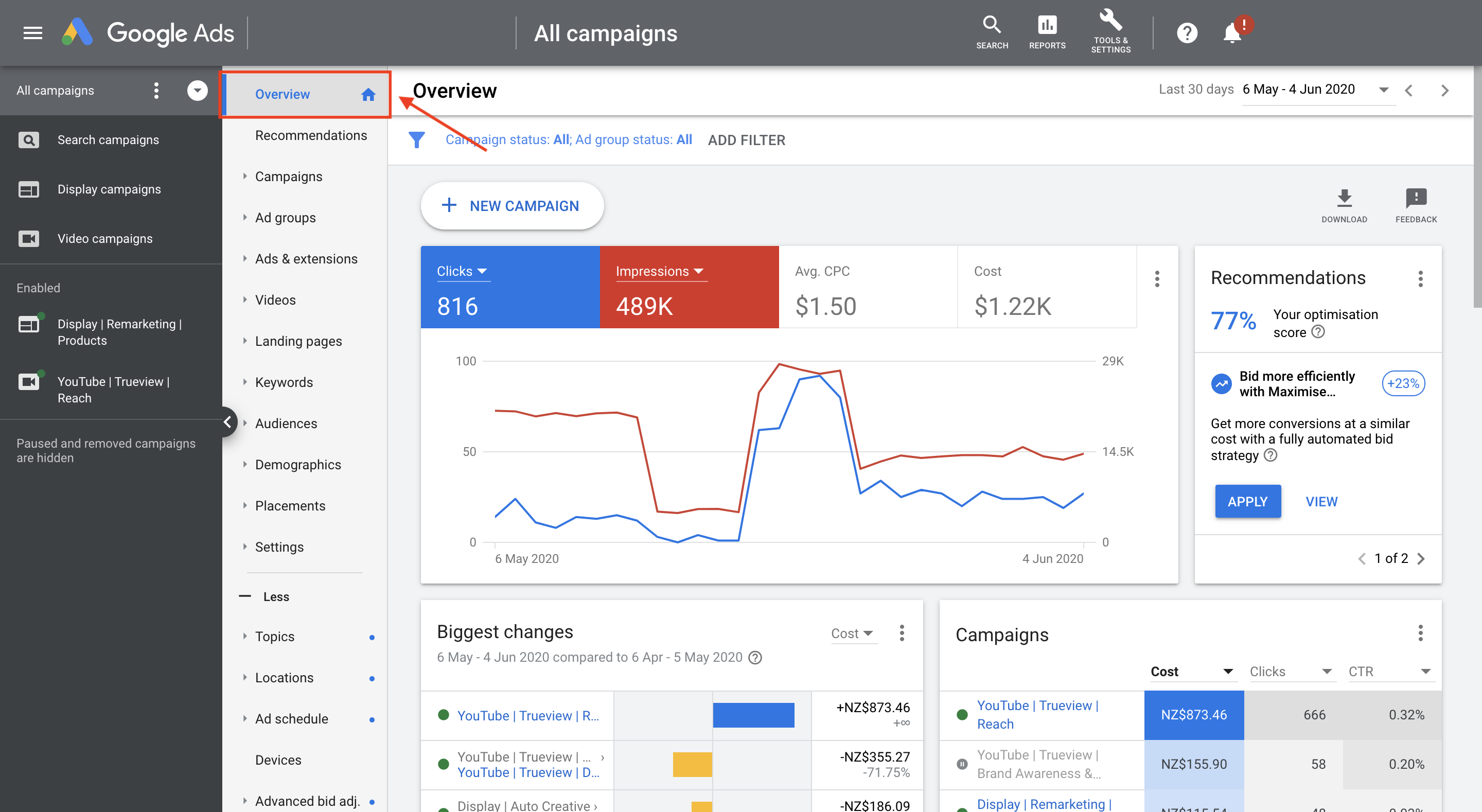
Managing a Google Search ads campaign isn’t “set and forget.” It requires ongoing monitoring and refinement.
Track Key Metrics
Track metrics such as:
- Click-through rate (CTR): how often people click your ad after seeing it.
- Cost per click (CPC): how much each click costs.
- Conversion rate: how many clicks lead to meaningful actions like calls or form submissions.
- Cost per lead: how much you pay for each qualified inquiry.
Review these regularly to see what’s working and what needs improvement.
Adjust Bids and Budget
Depending on performance, adjust your bids for certain keywords or times of day when clients are most likely to search. For example, people searching late at night might signal urgent needs. Continually test and refine bids and budgets to get the most out of your spend.
Use Data to Refine Campaigns
Google provides data on which keywords and ads are performing best. Use this data to expand high-performing ad groups and reduce investment in poor performers. Adding negative keywords also prevents wasted spend on irrelevant clicks.
Challenges in Search Ads for Bankruptcy Attorneys
Competition and Cost
Legal keywords, especially in bankruptcy, are competitive because many firms are bidding on the same high-intent phrases. This can push up costs. In competitive markets, cost-per-click may range from moderate to high depending on location and keyword demand. Some firms see CPL (cost per lead) anywhere from around $50 to several hundred dollars.
Budget planning and keyword strategy help manage this. Targeting long-tail phrases (more specific terms) can often reduce costs while still capturing quality leads.
Legal Advertising Policies
Google has strict rules for legal advertising. Some ad disapprovals can occur if ads are not compliant with Google’s policies. Always follow guidelines to prevent ads from being suspended. If needed, work with a certified Google Ads specialist who understands legal industry compliance.
Advanced Techniques for Better Performance
Ad Extensions
Ad extensions add extra information to your ads, such as phone numbers, links to specific pages, and location information. They make your ads more useful and often improve click-through rates. Examples include call extensions and sitelink extensions that highlight services like “Free Consultation” or “Debt Relief Help.”
Geo-Targeting and Scheduling
Limit your ads to show only in geographic areas where you serve clients. This saves money and ensures relevance. You can also schedule ads around times when potential clients are more likely to search. These tactics make your campaign more efficient.
Remarketing Lists
Remarketing lists allow you to reach people who visited your website but didn’t convert. This helps keep your firm top-of-mind and increases conversion opportunities over time.
Balancing Google Ads with Other Marketing
While Search ads can bring fast leads, combining them with long-term efforts like SEO strengthens overall visibility. SEO helps your site rank organically over time, reducing reliance on paid traffic. Many firms find the best results when Search ads and SEO work together.
Final Thoughts: Making Search Ads Work for You
Google Search ads give bankruptcy attorneys the chance to be seen by people when they need help the most. With the right keywords, compelling ad copy, targeted landing pages, and continuous optimization, these campaigns can generate meaningful leads and grow your practice. It’s not just about spending money on ads—it’s about spending it strategically. With careful management, tracking, and adjustment, your firm can reach the right audience at the right moment and convert searches into clients.

Related Questions & Answers
What is Google Search Ads management for bankruptcy attorneys?
Google Search Ads management for bankruptcy attorneys involves creating, optimizing, and monitoring paid ads that appear when potential clients search for bankruptcy-related terms. It focuses on keyword targeting, ad copy, budgets, and conversions to generate qualified legal leads efficiently.
Why are Google Search Ads effective for bankruptcy lawyers?
Google Search Ads are effective because they capture high-intent users actively searching for bankruptcy help. People typing queries like “file Chapter 7 bankruptcy” are often ready to contact an attorney, making search ads a powerful tool for immediate and measurable lead generation.
Which keywords work best for bankruptcy attorney ads?
High-performing keywords usually include intent-driven phrases such as “bankruptcy attorney near me,” “Chapter 7 lawyer,” and “Chapter 13 bankruptcy help.” Long-tail keywords reduce competition, lower cost per click, and attract users who are more likely to convert into real legal consultations.
How does ad copy impact bankruptcy law campaigns?
Ad copy directly affects click-through rates and conversions. Clear messaging about debt relief, free consultations, and local expertise builds trust. Using compliant language that avoids guarantees while addressing client pain points helps bankruptcy attorneys stand out in competitive search results.
What budget is recommended for bankruptcy Google Ads?
Budgets depend on location and competition, but bankruptcy keywords often have high CPCs. A consistent monthly budget allows data collection and optimization. Professional management ensures spending focuses on profitable keywords, reducing wasted clicks and improving return on ad spend over time.
How does location targeting help bankruptcy attorneys?
Location targeting ensures ads appear only to users within the attorney’s service area. This prevents wasted spend on irrelevant clicks and improves lead quality. Geo-targeting, combined with local extensions, helps bankruptcy lawyers attract nearby clients ready to schedule consultations.
What role do landing pages play in Google Ads success?
Landing pages convert clicks into leads. For bankruptcy attorneys, pages should be fast, mobile-friendly, and focused on one action, such as a free consultation. Clear explanations, trust signals, and simple contact forms significantly improve conversion rates from paid search traffic.
How is success measured in bankruptcy Google Ads campaigns?
Success is measured through conversions, cost per lead, and return on investment. Tracking phone calls, form submissions, and booked consultations helps attorneys understand campaign performance. Data-driven optimization ensures ads continually improve and align with the firm’s client acquisition goals.
What compliance issues apply to bankruptcy attorney ads?
Bankruptcy ads must comply with Google’s advertising policies and legal ethics rules. Claims must be accurate, non-misleading, and avoid promises of outcomes. Proper disclaimers and transparent messaging protect the attorney while maintaining trust with potential clients.
Why hire a professional Google Ads manager for bankruptcy law?
Professional management saves time and money by avoiding costly mistakes. Experts understand keyword competition, bidding strategies, and compliance requirements. For bankruptcy attorneys, experienced Google Ads management leads to higher-quality leads, better efficiency, and sustainable long-term growth.
