

Choosing low‑calorie meals is one of the most effective ways to lose weight — and keep it off. When you eat fewer calories than your body uses (a “calorie deficit”), your body starts burning stored fat for energy. (Medical News Today)
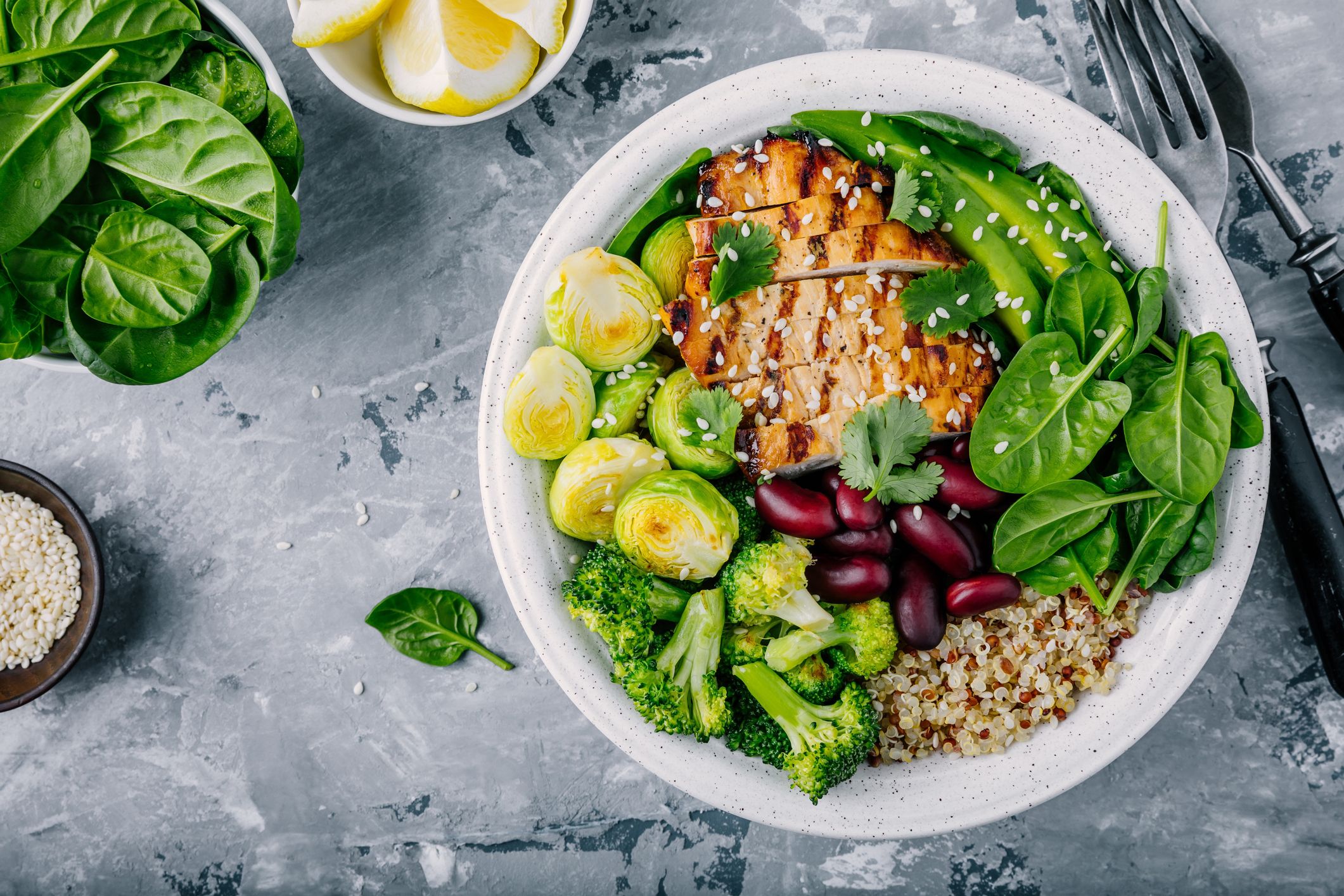
But a low‑calorie diet isn’t just about eating less — it’s about eating smarter. Meals rich in vegetables, lean protein, whole grains and fibre tend to fill you up without overloading you with calories. That feeling of fullness (satiety) helps prevent overeating. (Mayo Clinic)
When done properly, low‑calorie diets can also bring health benefits beyond weight loss: better blood sugar control, improved cholesterol and metabolic markers, and generally improved well‑being. (Apollo 24|7)
The key is to make meals nutrient‑dense (rich in good nutrients) and volume‑rich (lots of food, but fewer calories) — that way you don’t feel deprived. (Mayo Clinic)
Principles of a Good Low-Calorie Meal
Before we look at specific meal ideas, it’s useful to know what makes a meal “good” for weight loss:
-
Plenty of vegetables and fibre — Leafy greens, broccoli, zucchini, cauliflower, bell peppers and similar vegetables add volume and fibre, which help you feel full longer, without a lot of calories. (Healthline)
-
Adequate protein — Protein helps maintain muscle mass, supports metabolism, and keeps you satisfied. Good sources include lentils, beans, paneer/tofu, eggs, lean chicken or fish if you eat non‑veg. (Healthline)
-
Whole grains or lighter substitutes — Instead of refined grains or heavy carbs, use whole grains like brown rice, millets, broken wheat, or replace carb‑heavy items with lighter versions (e.g. cauliflower rice, zucchini noodles). (@Medanta)
-
Minimal oil, sugar, and processed items — Use cooking methods like steaming, grilling, or sautéing with little oil. Avoid heavy gravies, deep frying, sugary drinks, and processed snacks. (Niva Bupa)
-
Portion control and mindful eating — Even healthy food adds up if the portions are large. Eating slowly, stopping when roughly 80% full can help. (Paras Hospitals)

Delicious Low-Calorie Meal Ideas You Can Try
Here are several meal ideas that are wholesome, light, and supportive of weight loss. These can be adjusted to Indian or global tastes.
Zucchini Noodles with Tomato Basil Sauce
A great alternative to heavy pasta — zucchini noodles (“zoodles”) have very low calorie‑count but still give good volume. Toss with a simple tomato‑basil sauce (light on oil) and herbs. It’s refreshing, filling, and light on calories. (www.ndtv.com)
This dish works well as lunch or dinner, especially if you want something easy and quick after a busy day.
Stir‑Fried Vegetables with Tofu or Lentils
Take a mix of colourful vegetables — like bell peppers, carrots, broccoli — and stir‑fry them lightly with minimal oil. Add tofu or cooked lentils to boost protein. This gives you fibre, protein, vitamins, and a satisfying meal without many calories. (www.ndtv.com)
You can season with your favorite spices, herbs or a light dressing to adapt it to Indian flavors.
Lentil Soup or Dal + Vegetable Khichdi
A warm bowl of lentil soup — or a simple dal‑khichdi made with lentils, brown rice or whole grains and mixed vegetables — offers gentle, comforting nutrition. These dishes are easy to digest, filling, and relatively low in calories if cooked with little oil. (Nutrabay)
Perfect for dinner, especially on days you want a lighter meal that still nourishes.
Grilled Paneer / Chicken / Fish with Salad or Steamed Veggies
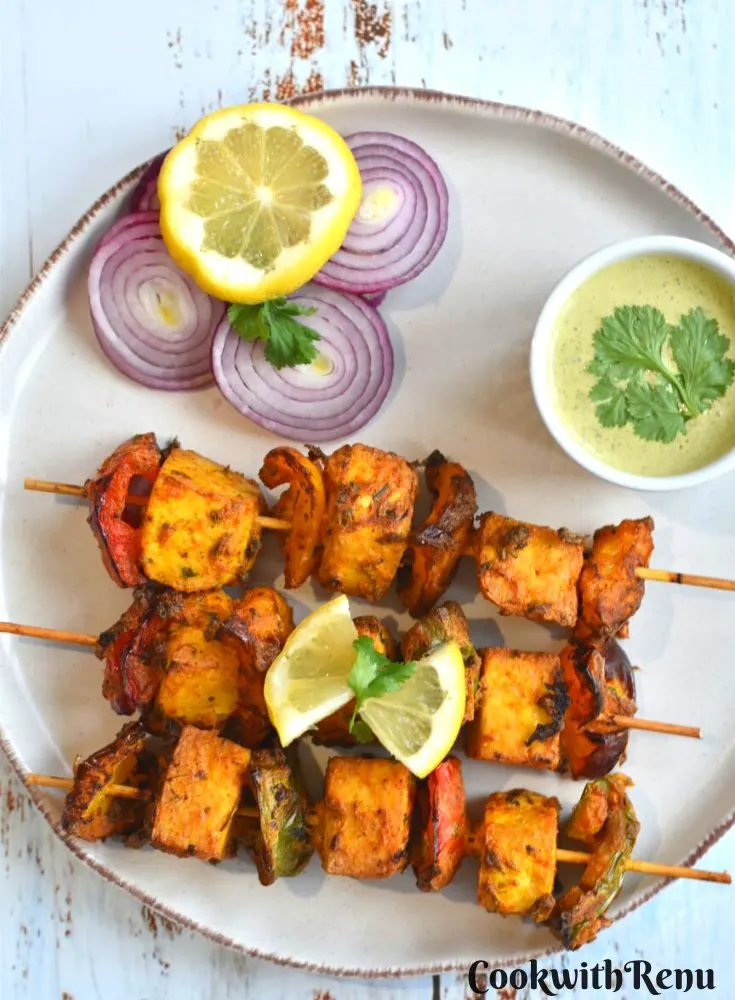
If you eat non‑veg (or paneer/tofu/soy as vegetarian option), grilling is your friend. A portion of grilled protein (like paneer, fish, or chicken breast) combined with a big serving of salad or steamed vegetables gives a balanced, protein‑rich, low‑calorie meal. (@Medanta)
Avoid heavy cream-based gravies. Use light spices, herbs, lemon juice, and minimal oil.
Cauliflower Rice Stir-Fry
Replace regular rice with cauliflower rice — significantly lower in calories — then stir‑fry lightly with vegetables or eggs/tofu. It’s a good way to enjoy a rice-like meal without the heavy carbohydrates. (Healthline)
This works especially well for lunch or dinner when you’re trying to limit carbs.
Simple Veggie Omelette or Egg-White Omelette
For breakfast or brunch: use egg whites (or eggs) with vegetables like spinach, tomatoes, onions, mushrooms — cook them with minimal oil. Eggs give protein; veggies give volume and fiber. It’s a quick, filling, and low-calorie meal. (www.ndtv.com)
You could even add a slice of whole‑grain toast or a small portion of whole grain as side, if you like.
How to Make Low-Calorie Eating Fit Your Lifestyle
Switching to low-calorie meals doesn’t mean you have to give up taste or eat boring food. With a few mindful habits you can make eating healthy sustainable:
-
Use traditional spices and herbs — They add flavor without adding calories, so cooking Indian‑style dishes becomes easier and more enjoyable. (Metropolis India Lab)
-
Cook using steaming, grilling, sautéing with little oil instead of deep frying. Non-stick pans or minimal oil help. (Niva Bupa)
-
Choose whole grains and millets over refined flour or polished rice — they digest slower, keep you full longer, and release energy steadily. (@Medanta)
-
Eat home-cooked meals instead of relying on ready-made or restaurant food — this gives you control over oil, salt, sugar and portion sizes. (Paras Hospitals)
-
Plan meals ahead of time, avoid impulsive snacking, and listen to your body’s hunger/fullness cues.
Why Variety & Balance Matter
A big mistake some people make when cutting calories is overdoing it or sticking to a few meals only. That can lead to nutrient deficiencies, fatigue, or loss of muscle mass. (PMC)
To avoid that, aim for balanced meals — with vegetables, protein, some healthy carbs, and (if needed) small amount of healthy fat. Rotate different foods so your body gets a range of vitamins, minerals, and macronutrients.
Also, going for modest calorie reduction rather than extreme restriction tends to be more sustainable long term — this helps avoid fatigue, hormonal imbalance, or rebound weight gain. (Medical News Today)
Real-Life Example: A Day of Low-Calorie Eating
Here’s how a full day might look if you combine these ideas — balanced, filling, and weight-loss friendly:
Breakfast: Veggie omelette (egg whites + spinach + tomato + onion) with a slice of whole‑grain toast
Mid‑morning snack: Fresh fruit (like an apple) or a handful of nuts (in moderation)
Lunch: Stir-fried vegetables with tofu or beans + a small serving of brown rice or whole grains
Evening snack: A bowl of lentil soup or a small salad with lemon and herbs
Dinner: Grilled paneer or grilled chicken with a big salad, or cauliflower‑rice stir‑fry with mixed vegetables
With such balanced meals, you stay full, nourished, and likely stay within a calorie budget that supports weight loss.
Key Takeaways: Eat Smart, Not Starve
Low‑calorie eating isn’t about starving — it’s about smart choices. By filling your plate with vegetables, lean proteins, whole grains, and controlling portions, you can eat satisfying meals that support weight loss.
Making small, sustainable changes (like cooking methods, swapping heavy carbs for lighter substitutes, avoiding processed/ fried/ sugary foods) will help you stick with the plan and see long-term results.
Remember, the goal is balance, consistency, and nutrition — those are the real keys to healthy weight loss.